Sustainable Tick Management and Translational Innovation
From chemical discovery to real-world protection
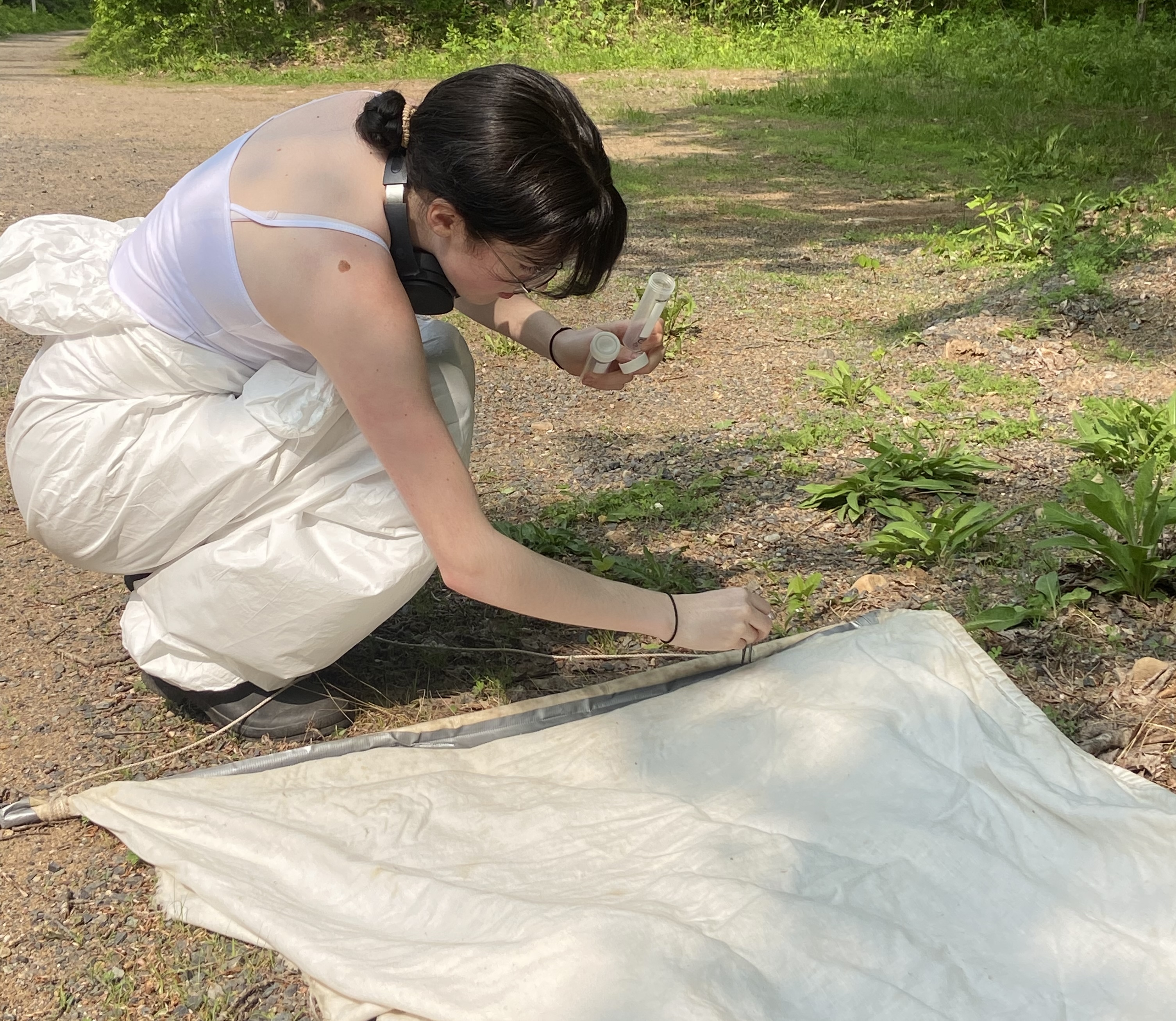
Building on our chemical ecology findings, we develop and validate sustainable strategies for tick management.
Our translational work includes:
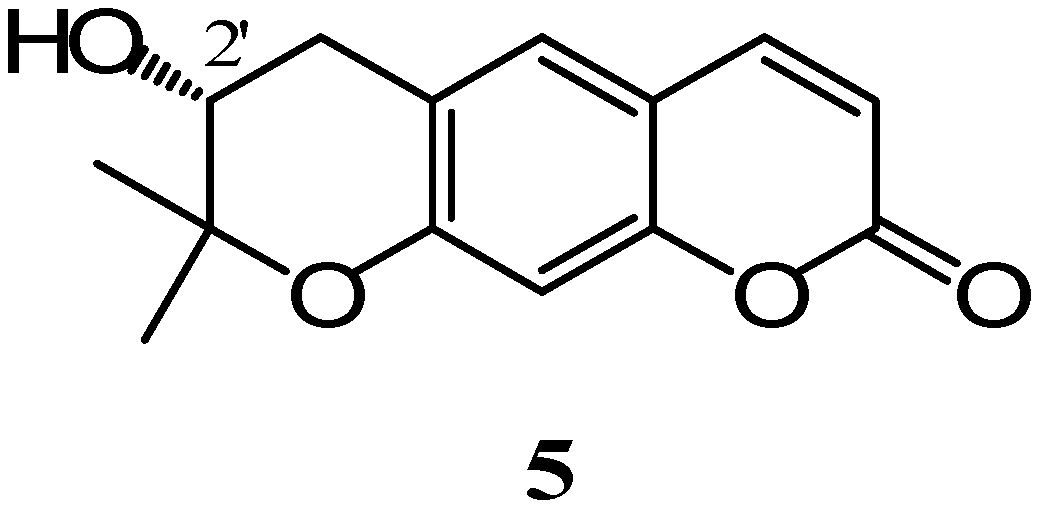
Plant-derived repellents and natural product chemistry
Novel formulation strategies (e.g., nanoemulsions, fabric treatments)
Laboratory-to-field validation under realistic exposure conditions
Integration with climate-adaptive tick management models
One Health approaches linking ecology, public health, and environmental sustainability
We aim to design repellents and control strategies that are:
Mechanistically informed
Environmentally responsible
Effective under real-world conditions
By bridging basic sensory biology with applied innovation, we contribute to next-generation vector management solutions.
Related Publications