Tick Chemical Ecology and Sensory Neurobiology
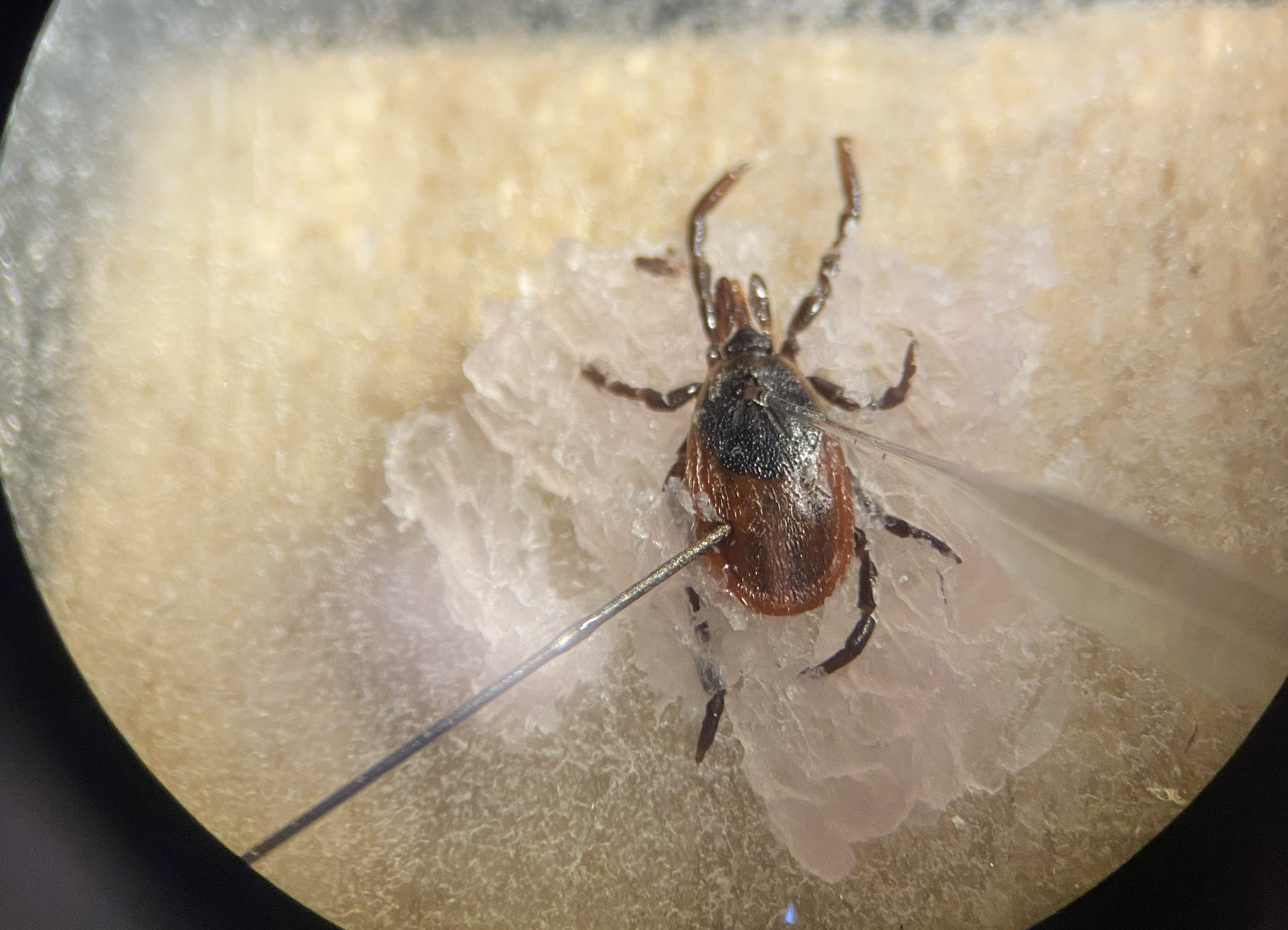
Understanding how ticks detect hosts — and how we can disrupt that process
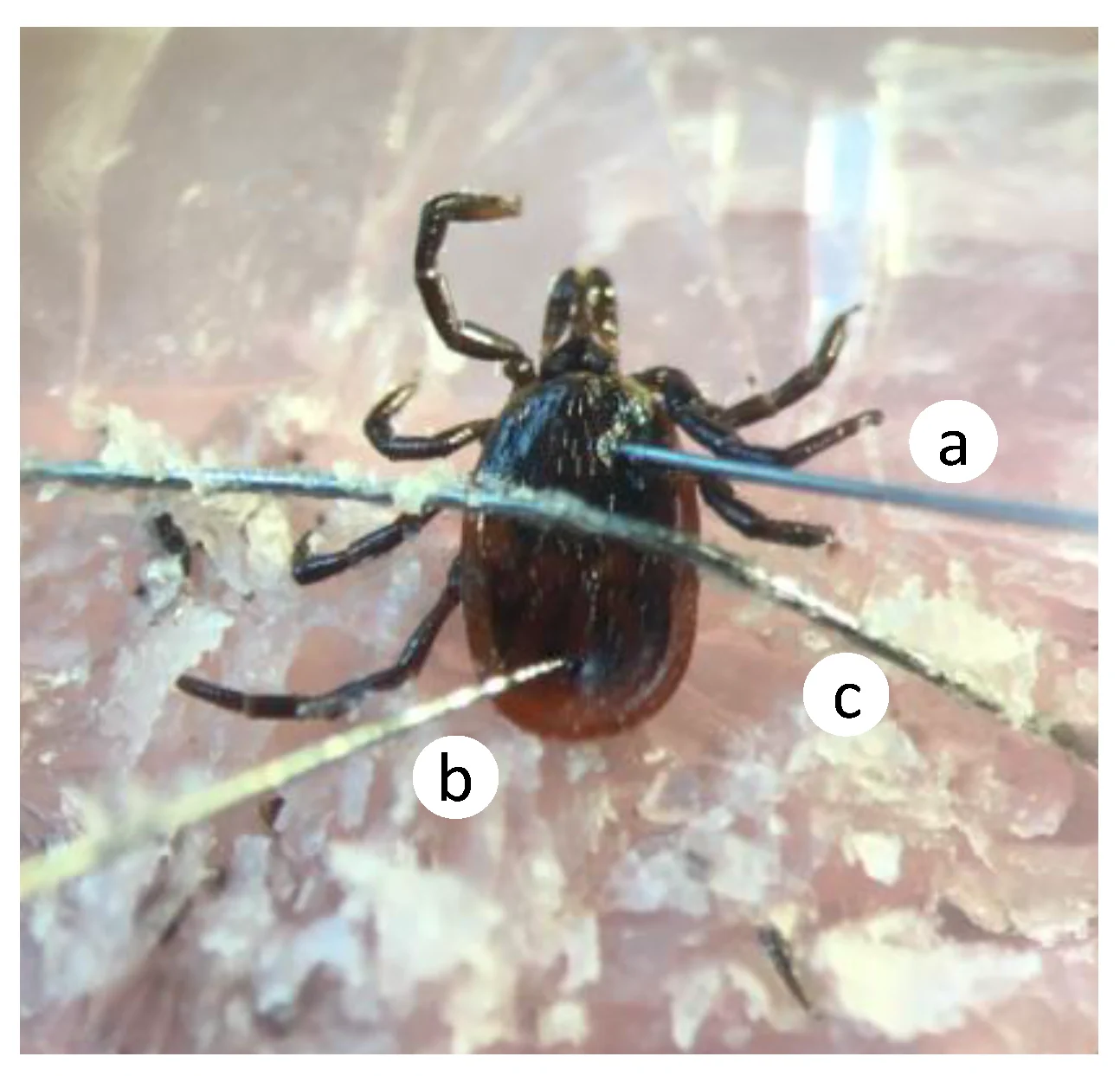
Ticks rely on highly specialized sensory systems to locate hosts. Our lab investigates the chemical and neural mechanisms underlying host detection, with a particular focus on:
Olfactory processing in Ixodes scapularis and Dermacentor variabilis
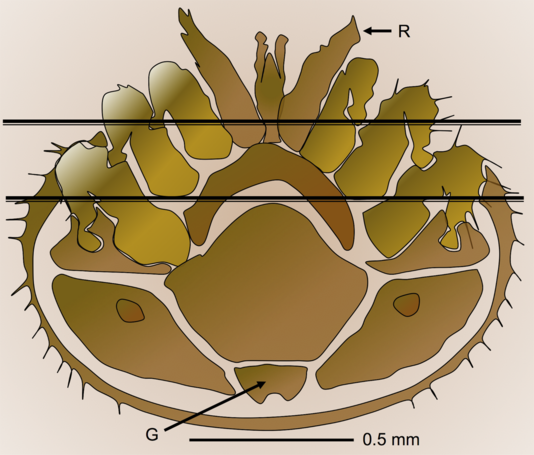
Structure and function of Haller’s organ
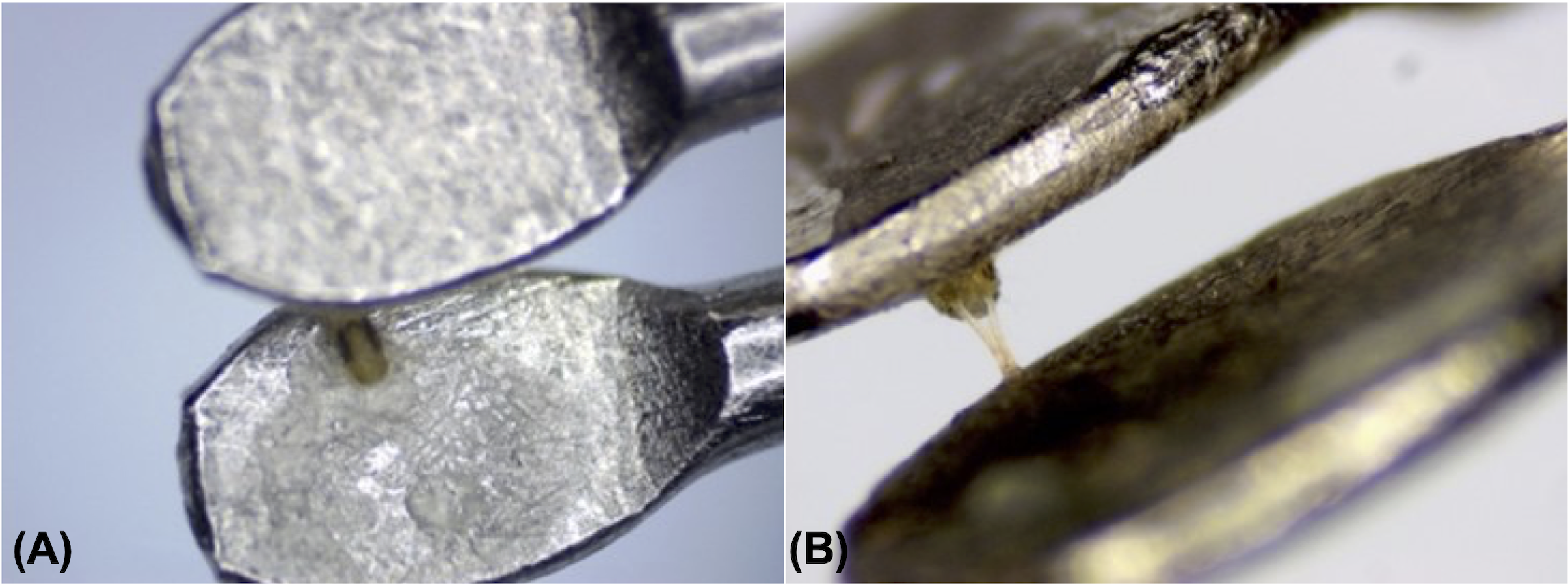
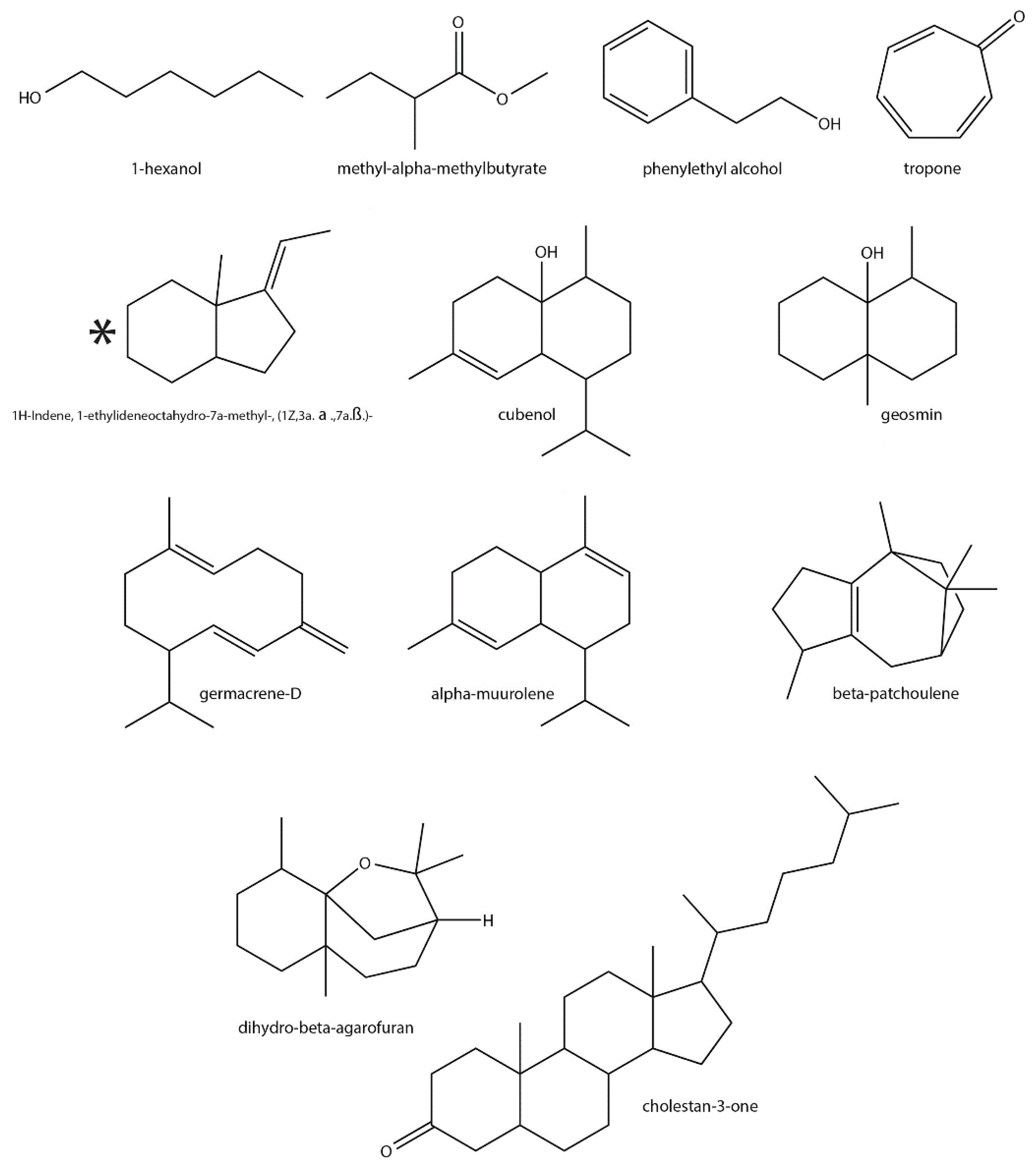
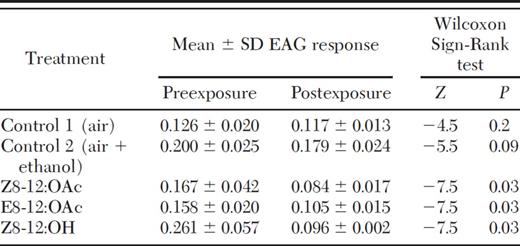
Electrophysiological responses to host- and plant-derived volatiles
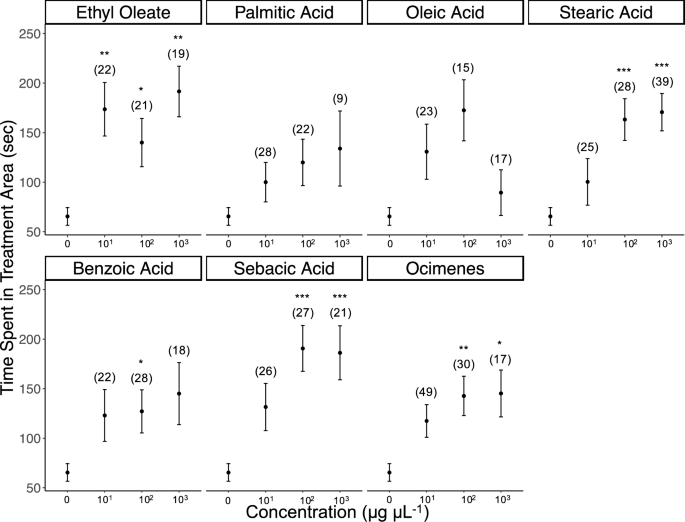
GC-MS–guided identification of behaviourally active compounds
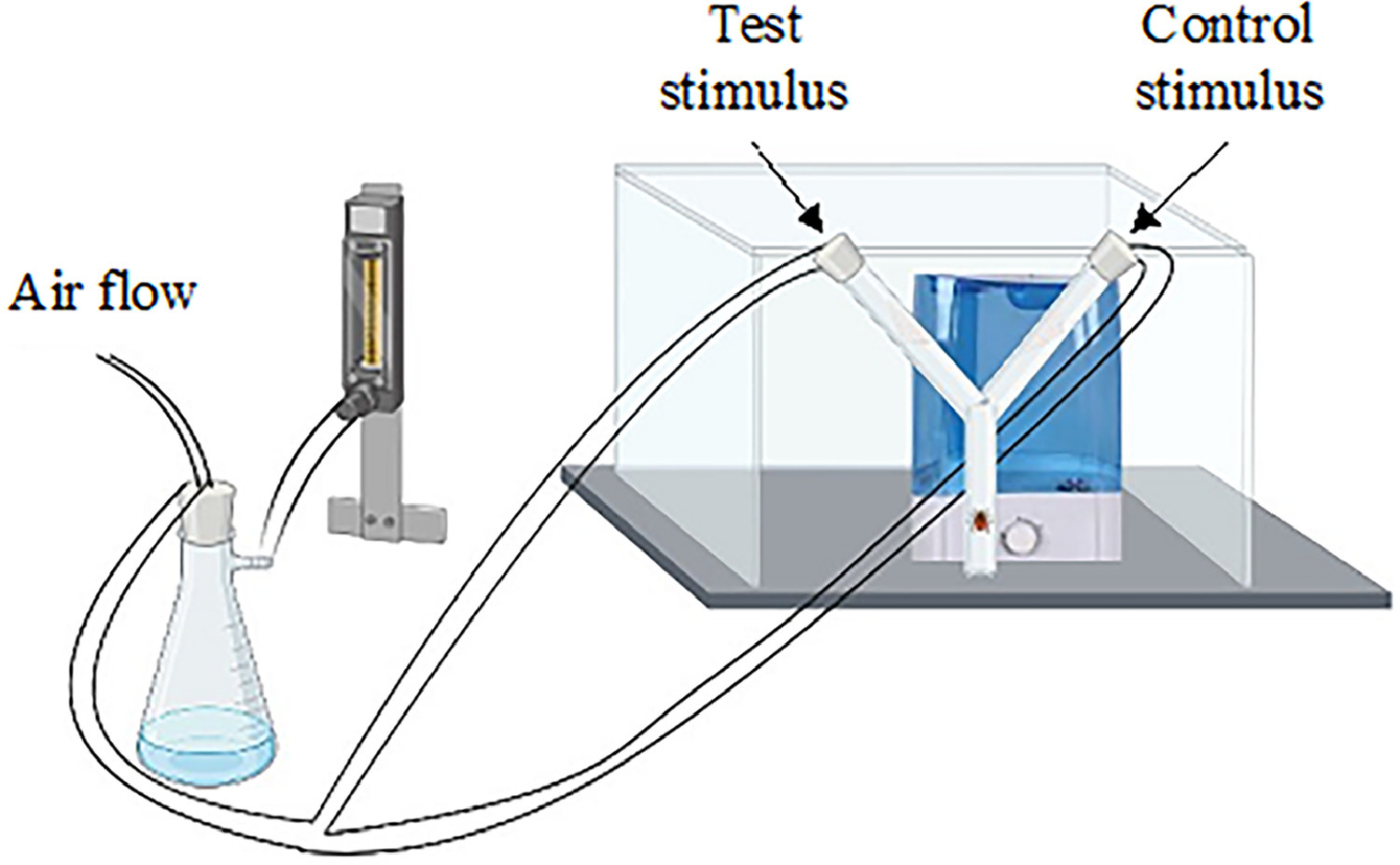
Behavioural assays (olfactometers, arena tracking, host-seeking models)
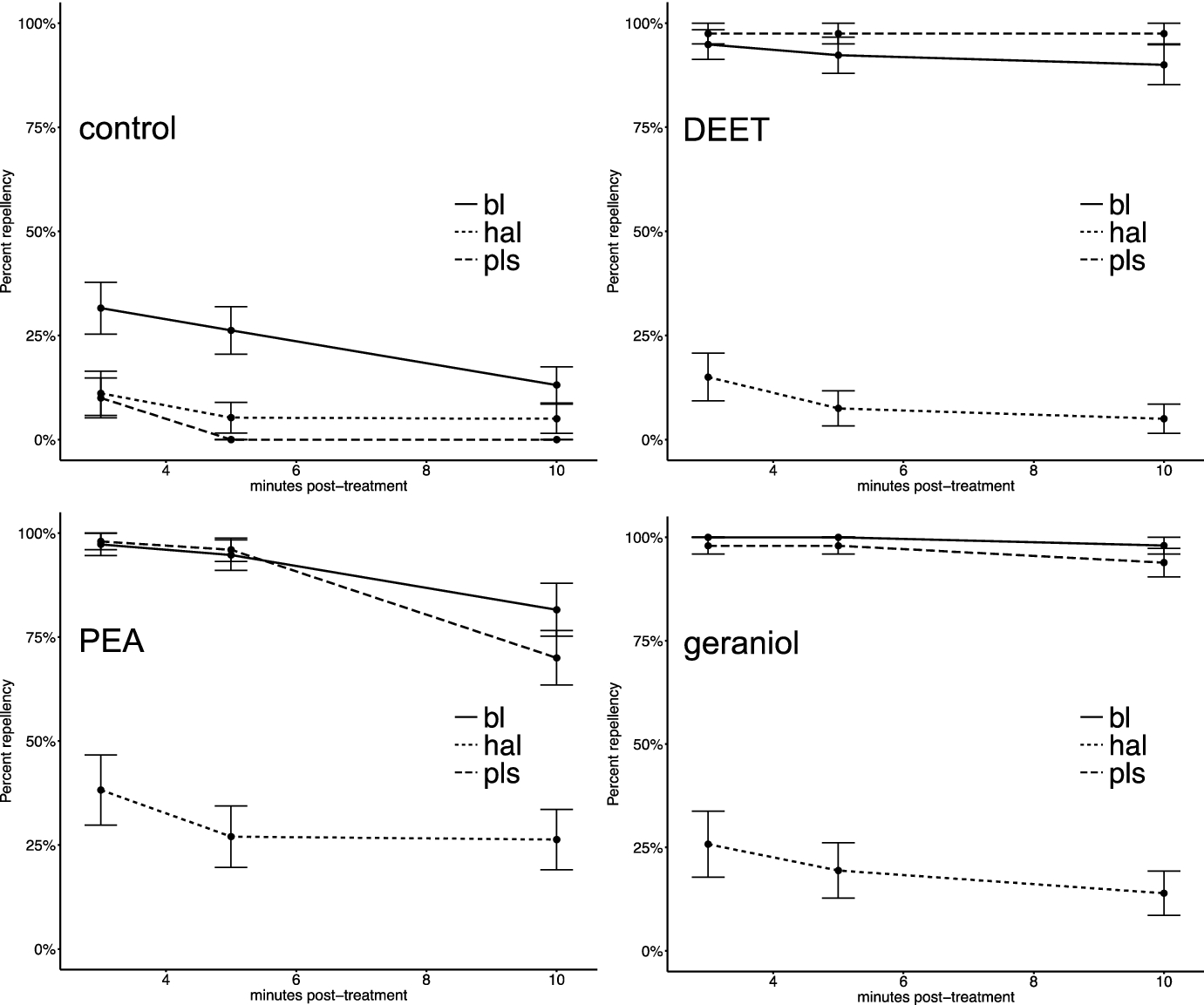
By linking molecular signals to neural activation and behavioural output, we identify sensory “choke points” that can be targeted for repellent development.
This research positions the lab at the forefront of tick sensory biology, an emerging field with significant implications for vector control.
Related Publications